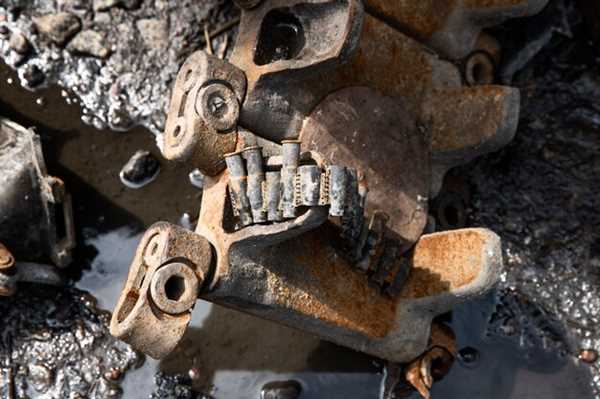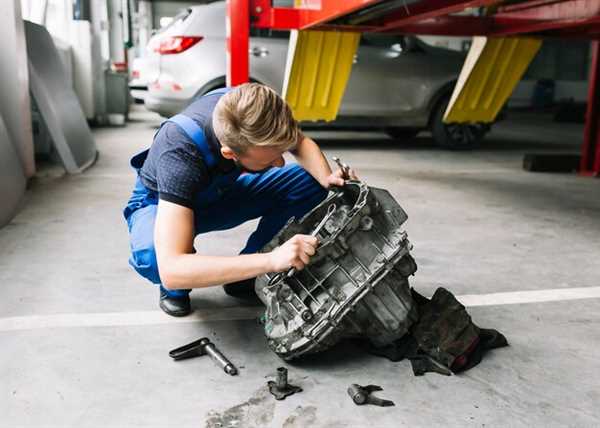
For those looking to enhance their car’s performance or repair a malfunctioning system, salvaging elements from damaged units can be a smart move. Prioritize inspecting the transmission assemblies and differentials, as these components often remain unscathed despite collision impacts.
Fuel systems, including pumps and injectors, represent another area rich with opportunity. They frequently retain their usability and, when refurbished, can provide substantial savings compared to new alternatives. Additionally, drive shafts and axles can frequently be found intact and can serve as a reliable replacement for existing worn-out versions.
Be mindful of the condition of every item retrieved; ensure to check for wear and tear before installation. Opt for reputable salvage yards that specialize in your brand and model to increase the likelihood of acquiring high-quality elements. This approach not only promotes a sustainable mindset but also allows for significant financial benefits in maintaining your vehicle.
Identifying Salvageable Transmission Components
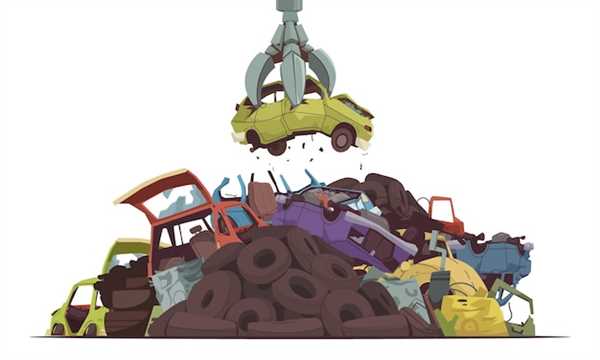
To assess the viability of a transmission for reuse, inspect the casing for cracks or severe dents, as structural integrity is paramount. A non-damaged casing greatly increases the chances of internal components being salvageable.
Check the fluid condition. Clean, bright transmission fluid indicates a well-maintained unit, while dark, burnt fluid suggests possible internal wear, reducing salvage potential.
Evaluate the solenoids and valves. If these components show signs of corrosion or wear, their reliability may be compromised. Functionality tests can help determine their condition.
Inspect the torque converter. Look for leaks and listen for unusual noises when turning it by hand. A well-functioning converter can be a valuable asset in a rebuild.
Examine the internal gears and bearings. Signs of scoring or excessive wear indicate failure. Components in good condition can significantly enhance a rebuild’s success rate.
Review the electrical connectors and wiring. Damaged or corroded connections can lead to operational issues, decreasing the system’s salvage appeal.
Take note of any aftermarket upgrades, such as performance clutches or shift kits, as these may add value and desirability to the component.
After thorough inspection, document the condition and specific details of each component. This will facilitate better decisions regarding salvage operations and potential resale.
Evaluating the Condition of Differential Parts for Resale
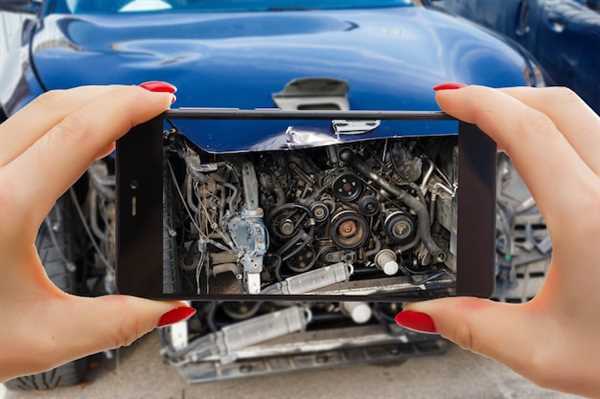
Inspect the housing for cracks, dents, or signs of impact before considering resale. Any structural damage jeopardizes functionality and, therefore, value.
Examine the gears for wear patterns. Significant scoring, pitting, or abnormal wear indicates poor condition, suggesting replacement is necessary. Rotate the gears to listen for unusual noises, which could signal internal damage.
Assess the seals and bearings. Look for any signs of leaks or excessive play. Worn seals may lead to fluid loss, diminishing durability, while loose bearings could affect overall performance.
Ensure that the oil contained within is clean. Contamination can indicate failure of internal components, reducing the desirability of these items for potential customers. Dispose of old fluid responsibly during inspections.
Test the differential’s functionality. If possible, install it temporarily in a compatible vehicle to verify operation. Smooth engagement and disengagement without grinding sounds enhance resale appeal.
Document all findings with detailed descriptions and pictures. Transparency regarding condition facilitates trust with buyers and may justify higher asking prices for good-quality components.
Understanding the Market Demand for Driveshafts in Salvage
Focus on sourcing driveshafts that fit popular vehicle models, as demand tends to be higher for these components. Research local repair shops and automotive technicians to identify frequently requested makes and models. Building relationships with these professionals can provide insight into the specific types of driveshafts that are in need.
Invest in inventory management to monitor the sale trends of driveshafts. Keeping track of what sells quickly can inform future salvage operations and purchasing decisions. Utilize online marketplaces and forums to gauge interest and seek feedback on pricing strategies for salvaged driveshafts.
Consider the condition of the driveshafts. Ensure that the components are thoroughly inspected and refurbished if necessary. Offering driveshafts in good condition can significantly improve marketability, attracting a broader customer base who may prioritize reliability.
Stay abreast of industry regulations and standards regarding the sale of automotive components. Compliance with safety regulations may enhance trust among potential buyers, further boosting demand. Promote the quality and reliability of your salvaged driveshafts through thorough documentation of inspection and testing processes.
Leverage digital marketing strategies to reach a wider audience. Create informative content that highlights the benefits of using salvaged driveshafts, such as cost savings and environmental impact. Engaging with potential customers through social media and online ads can lead to increased sales.