For anyone considering the disposal of an old automobile, utilizing a salvage yard is a practical choice that can yield both financial and environmental benefits. These locations play a pivotal role in the transformation of unwanted cars into reusable parts and materials, significantly contributing to sustainability efforts. By opting for recycling at such sites, one actively supports the reduction of waste and the conservation of natural resources.
Buying used components from a scrap location can lead to substantial savings compared to purchasing new parts. Furthermore, many of these dismantling facilities provide warranties on the parts they sell, ensuring reliability. This avenue not only helps to keep costs down but also promotes an eco-conscious lifestyle, as reused parts require less energy and resources to produce than new ones.
Additionally, the environmental impact of disposing of cars through salvage yards cannot be overlooked. Improper disposal can lead to harmful substances leaking into the soil and waterways. Salvage sites are equipped to handle potentially hazardous materials effectively, which prevents pollution and protects local ecosystems. Engaging with these facilities ensures that the dismantling of vehicles happens in a safe and regulated manner.
Maximizing Material Recovery from End-of-Life Vehicles
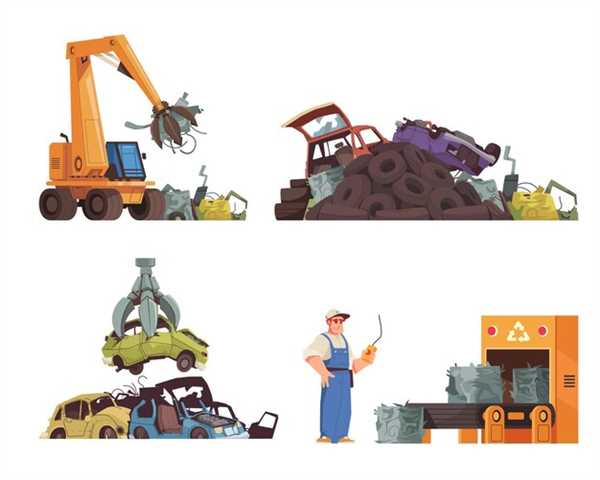
Implement advanced sorting technologies to identify and separate materials like metals, plastics, and glass with high precision. Automated systems, such as conveyor belts equipped with sensors, can streamline this process, ensuring maximum yield from each unit.
Adopt a systematic dismantling approach to extract components that retain value, such as engines, transmissions, and electronic systems. Enabling thorough disassembly allows for the recovery of rare metals and parts that can be resold or refurbished.
Regularly upgrade machinery to handle a variety of vehicle makes and models. This flexibility can increase the range of materials that can be processed, enhancing the overall recovery rates.
Establish partnerships with companies specializing in the resale of recovered materials. Creating a network of buyers who can utilize different fractions helps in maintaining demand and securing better pricing.
Train staff on the environmental benefits and economic opportunities of material recovery. Enhanced knowledge and commitment among the workforce directly influence the efficiency of the operations.
Track data on material recovery rates and develop strategies for continuous improvement. Utilizing analytics can highlight trends and identify areas where processes can be optimized.
Environmental Impact of Scrapyard Operations in Recycling
Implementing best practices in dismantling and material recovery significantly reduces pollution levels. Facilities should prioritize the extraction of hazardous substances from end-of-life machines to prevent soil and water contamination. Compliance with local regulations and environmental standards is crucial in reducing negative ecological footprints.
Utilizing advanced technologies for parts recovery enhances material repurposing, which minimizes the demand for virgin resources. This contributes to a decrease in energy consumption and emissions associated with manufacturing new components. Facilities equipped with efficient processing equipment can achieve better yield from reusable materials.
Landfill diversion strategies should be a focus, aiming to keep as much material as possible out of landfills. Incorporating educational programs for consumers about proper disposal methods can lead to increased participation in material recovery initiatives.
Monitoring and reporting environmental impact metrics, such as greenhouse gas emissions and energy usage, should become standard practice. This promotes accountability and transparency, allowing for continuous improvement in operational practices while benefiting the environment.
Guidelines for Selecting a Reliable Scrapyard for Vehicle Disposal
Evaluate certifications and licenses to ensure compliance with local regulations and standards for material recovery. This verifies that the facility conducts business responsibly.
Research online reviews and ratings from previous clients to gauge reputation. Look for feedback on customer service, transparency, and compliance with eco-friendly methods.
Inquire about their methods for handling hazardous materials. A professional establishment should have clear protocols for disposing of contaminants safely and environmentally friendly.
Check inventory and assess the facility’s approach to parts reclamation. A well-organized site indicates a commitment to resource maximization and waste minimization.
Request information on the dismantling processes. Reliable entities use advanced techniques to ensure that reusable components are extracted with care, facilitating sustainable practices.
Assess the availability of drop-off services and pickups for convenience. A customer-oriented operation should offer clear guidelines and options for disposing of unused automobiles.
Confirm that the facility provides proper documentation upon disposal. A reliable company will issue a certificate of destruction, which is useful for legal and insurance purposes.
Engage in conversation with the staff to gauge professionalism and knowledge. Their expertise can reflect the overall operational integrity of the site.
Verify their partnerships with recycling companies to ensure that recovered materials are utilized effectively, further enhancing the sustainability of the disposal process.