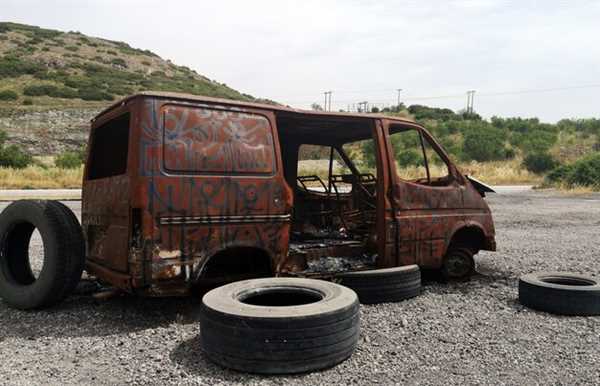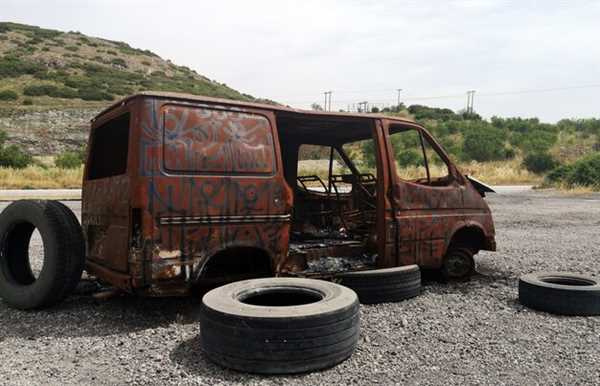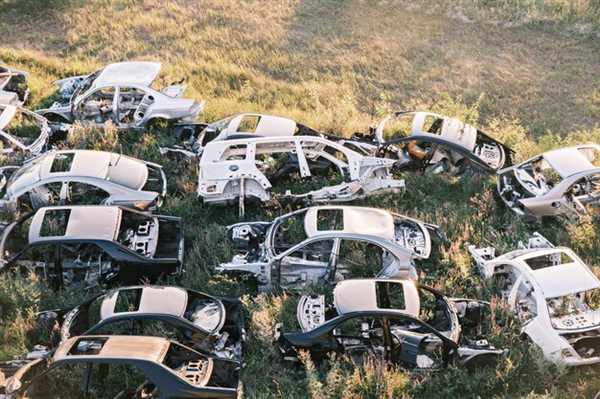
For those interested in the automobile industry, understanding which vehicles frequently find their way to recycling centers can provide valuable insights. These automobiles often face challenges such as high repair costs, extensive wear, or diminished market demand. Identifying these models can assist potential buyers looking for affordable second-hand options or auto parts.
Reports indicate that certain brands consistently appear in disposal rankings due to issues like reliability, maintenance costs, and overall lifespan. Models from manufacturers like Ford, Honda, and Toyota frequently circulate in these environments, attracting attention for their availability and affordability in the aftermarket. Buyers may find it worthwhile to explore these brands, especially if they seek budget-friendly solutions.
Moreover, the reasons for a vehicle’s transition to a reclamation facility can vary widely. Factors such as accident history, age, and environmental regulations play significant roles. Understanding these dynamics can aid consumers in making informed decisions regarding both purchases and the possible resale value of their current vehicles.
Top 10 Car Models Frequently Found in Salvage Yards

The following list highlights vehicles that frequently end up in recycling facilities due to various reasons, often related to accidents, mechanical failures, or owner preferences for newer models.
1. Honda Civic: Known for its reliability, this compact model often finds itself in salvage due to age-related wear and tear or minor accidents.
2. Ford F-150: A popular choice among truck enthusiasts, this vehicle is frequently recycled after sustaining damage from off-road use or heavy-duty work.
3. Toyota Camry: This widely-used sedan is often seen in dismantling facilities, particularly after accidents or when owners opt for newer generations.
4. Chevrolet Silverado: This durable pickup truck often ends up in salvage due to mishaps on construction sites or its use as a work vehicle.
5. Nissan Altima: This mid-size sedan’s presence in recycling centers often results from collision damages or owners looking for upgraded models.
6. Subaru Outback: Popular in regions with harsh weather, this vehicle frequently ends up in dismantling yards after all-weather adventures lead to accidents.
7. Hyundai Elantra: This compact option is often seen at recycling sites, primarily due to its affordability and common ownership turnover.
8. Jeep Wrangler: Known for off-road capabilities, this model often arrives at recyclers after impacts sustained during adventurous outings.
9. Volkswagen Jetta: Although popular among drivers, this sedan often finds itself in recycling yards, primarily from owner upgrades or accidents.
10. Dodge Ram: This truck’s durability makes it a prime candidate for recycling after extensive use in tough conditions leading to damage.
These vehicles, while originally sought-after, commonly transition to recycling facilities where parts may be reused or refurbished, serving various automotive needs.
Reasons Behind High Salvage Rates for Specific Vehicles

The frequent presence of certain models in wrecking facilities can be attributed to multiple factors. First, the resale value of vehicles plays a significant role; cars that depreciate rapidly often end up as salvage due to diminished demand. For instance, some compact sedans lose value quicker than larger SUVs, making them more likely candidates for dismantling.
Another key aspect lies in the reliability and repair costs. Vehicles known for mechanical issues or costly repairs may be deemed uneconomical to fix after an accident. Models with high rates of recalls or those historically prone to malfunctions tend to occupy more space in these facilities.
The availability of spare parts also influences salvage decisions. If a vehicle has a strong aftermarket for parts, it may end up in a dismantler’s lot where components can be harvested for resale. Conversely, vehicles with limited parts availability may be scrapped altogether, as repairing them becomes unfeasible.
Insurance practices further contribute to the salvaging trend. Total loss assessments by insurers often lead to older or less valuable vehicles being declared too costly to repair. Certain manufacturers complete with cheaper alternatives, influencing owners to opt for replacement over repairs, raising salvage rates.
Lastly, regional preferences and trends impact which models accumulate in wrecking spaces. Economic downturns or shifts in consumer behavior can lead to specific vehicles being less desirable or less feasible for everyday use, increasing their likelihood of being classified as salvage.
How to Assess the Value of Salvage Vehicles
Begin by researching the typical resale values of the specific models you’re interested in. Websites like Kelley Blue Book and Edmunds provide valuable market estimates that can guide your assessment.
Next, examine the vehicle’s condition thoroughly. Look for the following:
- Structural integrity – Check for frame damage.
- Engine health – Assess if the engine turn over and runs smoothly.
- Electronic systems – Ensure all electronics function properly.
Evaluate the extent of damage and repair costs. Gather quotes from local mechanics for necessary repairs to better estimate restoration costs.
Consider the vehicle’s history. A clean title can significantly increase value. Utilize services like Carfax or AutoCheck to obtain detailed reports.
Compare similar models available in market listings. Analyze their asking prices, taking note of their state and mileage.
Lastly, keep in mind whether the vehicle can be repaired for road use or if it’s better suited for parts. This determination will impact your valuation directly.