Prioritize inspecting the provenance of each reclaimed component before purchase. Understanding the vehicle’s history, including previous damage and maintenance records, can significantly impact durability and performance. Components sourced from well-maintained vehicles are often more reliable and longer-lasting.
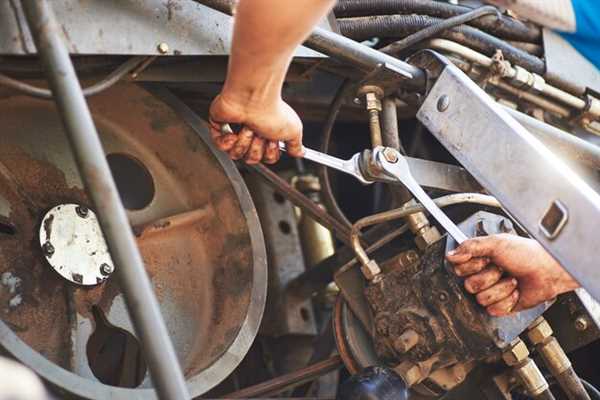
Examine the condition of components meticulously. Look for signs of wear, rust, and damage that could compromise functionality. An initial visual inspection may reveal critical details about the lifespan of the part, helping to make informed decisions that enhance your vehicle’s reliability.
Research the reputation of the supplier. Reviews and ratings from previous buyers can offer insight into the quality of the components and the integrity of the seller. Reliable suppliers often provide guarantees or warranties, reflecting confidence in the durability of their offerings.
Assess the compatibility of each component with your specific vehicle model. Mismatches can lead to performance issues and increased repair costs. Verify part numbers and specifications to ensure a seamless fit, reducing the likelihood of future complications.
Evaluating the Condition of Salvage Parts Before Purchase

Inspect any component thoroughly for visible damage. Look for cracks, bends, or signs of wear that indicate structural integrity has been compromised.
Check for rust or corrosion, especially in metal pieces. Surface rust may be manageable, but advanced corrosion can compromise functionality.
Request a history report if possible. Knowing the previous application may reveal if the item has been subject to excessive stress or harsh conditions.
Examine the connectors and fittings. Ensure they are intact and not brittle, as they can affect the ease of installation and future reliability.
Assess the mileage on any used engine or transmission. A lower mileage often suggests a longer lifespan, but always corroborate with service records.
Inquire about any warranties or return policies offered by the seller. This can provide additional peace of mind regarding your investment.
Consult reviews or ratings of the seller or salvage yard. Feedback from previous customers can shed light on the reliability of the offerings.
Take note of any OEM (Original Equipment Manufacturer) identifiers. Authentic items typically ensure compatibility and performance expectations.
Use a reference guide or manual to compare the part’s specifications against new items. This can help in understanding if the used piece meets necessary standards.
Ultimately, purchasing wisely requires diligence and attention to detail. Prioritize parts that demonstrate reliability for long-term satisfaction.
Understanding Certification and Standards for Salvage Components
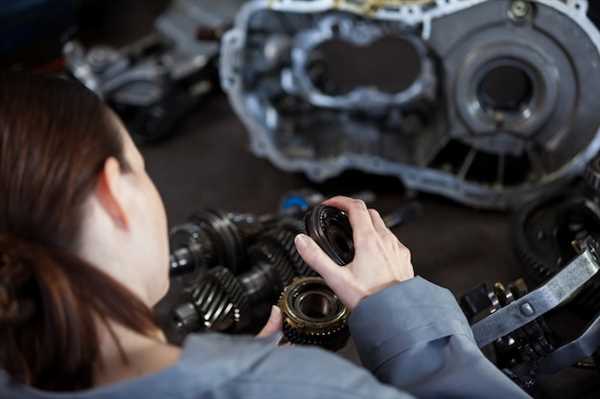
Verification is critical. Ensure that components meet specific industry standards, such as those outlined by the Society of Automotive Engineers (SAE) or the American National Standards Institute (ANSI). Compliance with these frameworks guarantees adherence to quality and safety benchmarks.
Look for parts that carry certifications like ISO 9001, which indicates a consistent quality management system. This is a reliable signal that indicates the supplier follows established processes for maintaining standards throughout production.
Evaluate the source of the components. Reputable recyclers usually have established partnerships with manufacturers and reputable salvage yards, ensuring that parts are properly inspected and labeled. Ask for documentation of the component’s history and maintenance records.
Check for any reconditioning processes that have been applied. Parts subjected to rigorous refurbishment often have a higher reliability rate. Inquire about warranties offered on these components to further assess trustworthiness.
Third-party testing can provide additional assurance. Certificates proving the durability and functionality of the parts will elevate confidence in their performance. Always pay attention to any test results available and their relevance to your specific application.
Engaging with trade organizations can provide insights and resources for identifying reputable salvage operations. Networking within these circles may offer recommendations for parts dealers known for their high standards.
By focusing on certified components and reputable suppliers, risk reduction and overall satisfaction can be significantly enhanced.
Role of Suppliers and Distributors in Salvage Parts Quality
Choose suppliers with a proven track record in providing reliable components. Investigate their sourcing methods and ensure they prioritize quality control measures. Regular audits of their operations can reveal adherence to standards.
Establish strong relationships with distributors as they play a pivotal role in ensuring components reach the market in optimal condition. Demand transparency regarding inventory management, shipping practices, and handling processes during transport.
Evaluate the technology used for cataloging and tracking components. Reliable systems can mitigate errors and enhance accessibility to information on available stock. Ensure that distributors provide detailed descriptions and verified histories of components.
Encourage collaboration between suppliers and distributors for continuous improvement in sourcing and distribution processes. Frequent communication can lead to better alignment on quality expectations and prompt identification of potential issues.
Utilize feedback from end-users to inform future practices. Analyzing customer experiences can provide insights into performance and reliability. This information is crucial for refining strategies in sourcing components.
Implement stringent return and warranty policies to hold suppliers accountable for subpar components. This not only protects consumers but also incentivizes suppliers to maintain high standards.
Consider certifications from recognized industry bodies as a metric for evaluating suppliers and distributors. These certifications often indicate adherence to rigorous quality benchmarks that are crucial for durable components.
Monitor trends and changes in regulations within the industry. Compliance with updated standards can influence component reliability and should be a significant consideration when selecting partners.