Popular recycled car parts buyers look for
Prioritize sourcing from sellers with a transparent history of their inventory. Understanding the source of the components can significantly impact quality and compatibility. Reputable suppliers often provide detailed reports on the previous usage of their materials, ensuring they meet necessary standards. Evaluate warranties and return policies offered by retailers. A robust guarantee indicates confidence in…
How fluids are safely removed from scrap vehicles
For optimal extraction of hazardous liquids such as motor oil, coolant, and fuel, utilizing a proper siphoning approach is key. Employing a manual or electric pump equipped with a suitable hose can facilitate the effective transfer of these substances into designated containers. Ensure that the containers are clearly labeled to avoid cross-contamination of different types…
Why used auto parts can be a smart choice
Opting for pre-owned automotive components can lead to significant financial savings. Many individuals discover that refurbished items are available at a fraction of the cost compared to brand-new alternatives, making it an economical choice without compromising quality. Purchasing these components can help you stay within budget while ensuring your vehicle runs smoothly. Another significant advantage…
Step by step overview of vehicle recycling
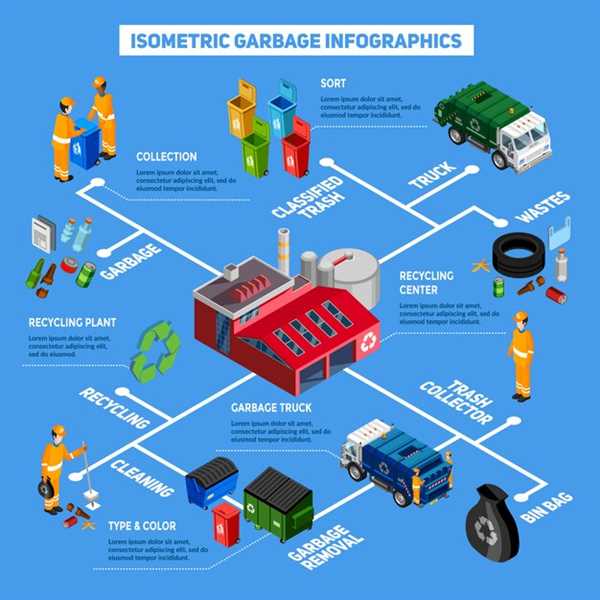
To initiate the transformation of an end-of-life automobile into reusable materials, commence with the proper assessment. Evaluate the vehicle’s condition and identify recyclable components, such as metals, plastics, and glass. Next, disconnect the battery and drain all fluids, including oil and coolant, to prevent environmental contamination. This vital action safeguards both the environment and the…
How auto wrecking yards sort vehicles for parts
Utilizing a structured approach significantly enhances productivity in salvage operations. Establish clear categories based on make, model, and year to facilitate easier access to components. Employing a systematic numbering system can aid in tracking and managing inventory effectively. Implement a thorough inspection routine upon arrival. Each unit should be evaluated for reusable assets, with a…
Common vehicle categories found in auto wrecking yards
For anyone interested in finding specific automobile makes or models, visiting a salvage facility can be highly beneficial. The assortment of vehicles in these locations can vary widely depending on the area’s demographics and the types of accidents that occur nearby. The first notable category found in many of these facilities is compact automobiles. These…
How wrecking yards inspect used parts before sale
To ensure the reliability of pre-owned components sourced from salvage facilities, conducting methodical evaluations is paramount. Begin with a thorough visual examination using a checklist tailored to identify specific indicators of wear and tear, corrosion, or previous damage. Pay particular attention to attachment points, seals, and any signs of fluid leakage. Next, employ measurement tools…
How auto wrecking reduces landfill waste
Consider prioritizing the dismantling of outdated vehicles as a strategy for minimizing landfill overload. Each year, millions of cars are retired, many of which end up in disposal sites, contributing to the deterioration of our surroundings. Transitioning to recycling practices not only conserves resources but also mitigates the burden on landfills. Disassembling vehicles allows for…
How wrecking yards determine vehicle value
Utilize a systematic approach to determine the monetary worth of damaged automobiles. Start with a thorough inspection of the vehicle’s condition. Assess key components such as the engine, transmission, and other major systems. This diagnostic phase uncovers repairs needed, which directly influences the overall valuation. Next, research the historical selling prices of similar models in…