
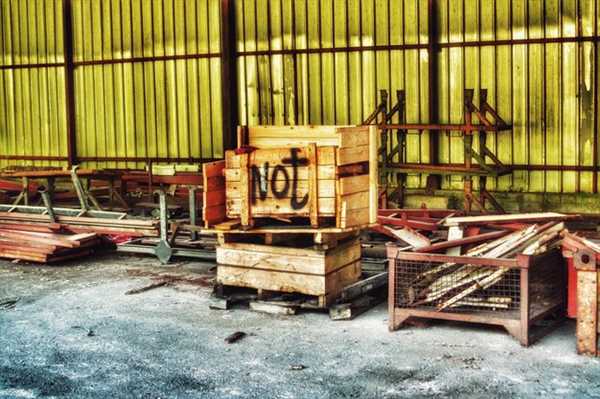
To maximize the longevity of vehicle components in salvage operations, segregating parts based on type is crucial. Storing panels vertically on racks not only saves space but also prevents structural damage caused by leaning or stacking over time.
Utilizing climate-controlled areas can significantly reduce the deterioration of sensitive materials. For metal items, a protective coating or an oil treatment helps guard against rusting. Employing pallet systems for large components enhances accessibility and organization.
Labeling storage units clearly improves efficiency, allowing quick identification and retrieval of parts when needed. Using bins for smaller items prevents loss and keeps your workspace orderly. Implementing these strategies can streamline operations while preserving the value of components in your inventory.
Optimal Vertical Solutions for Body Parts
Utilize vertical racks made from sturdy metal or wood to maximize space for storing body components. Ensure each unit is capable of supporting significant weight while maintaining stability. Position parts upright to minimize deformation and facilitate easy identification.
Employ adjustable shelving systems to accommodate various sizes of panels and sections. This flexibility allows for efficient use of height and enables the organization of items by type or vehicle model, enhancing retrieval speed.
Implement wall-mounted hooks or brackets for lightweight pieces, ensuring minimal contact with surfaces to prevent scratches and dents. This method claims less floor area and permits better visibility of available stock.
Prioritize environmental protection by covering stored components with breathable tarps or protective sheeting. This strategy prevents dust accumulation and potential corrosion, extending the lifespan of valuable materials.
Incorporate labeling systems for quick reference, tagging each item with relevant details like make, model, and condition. This practice streamlines inventory management, reducing downtime during part searches.
Best Practices for Protecting Painted Surfaces
Utilize protective covers made from breathable fabric to shield parts from dirt and moisture. Ensure these covers fit snugly to prevent movement during storage.
Store components vertically to minimize surface contact, reducing the risk of scratches and dents. Use padded supports or racks to adequate spacing between items.
Apply a wax or sealant to painted areas. This layer enhances shine and provides a barrier against environmental elements that could cause deterioration.
Inspect the paint regularly for any chips or scratches. Promptly address these issues with touch-up paint to prevent rust and further damage.
Maintain a consistent temperature and humidity level in the environment where parts are held. Fluctuations can affect the integrity of the finish over time.
Utilize non-abrasive materials when cleaning surfaces. Avoid harsh chemicals that may lead to discoloration or degradation of the paint quality.
Label parts clearly during handling to avoid unnecessary friction and contact between surfaces, preserving the quality of the finish.
Inventory Management for Salvaged Components

Implement a barcoding system to track individual parts. Assign unique codes to each item to streamline identification and retrieval.
Utilize a digital inventory platform. This allows for real-time updates on stock levels and location of body components.
Establish clear categorization:
- Sort items by make and model.
- Group similar parts together to enhance accessibility.
- Label storage areas for quick reference.
Conduct regular audits to ensure accuracy. Schedule frequent checks to validate the physical count against digital records, reducing discrepancies.
Train staff on proper inventory handling. Ensure they understand how to efficiently check in and out parts to minimize errors.
Develop a rotation system for older components. Prioritize the sale of older stock to avoid obsolescence.
Implement a data analytics approach. Analyze trends in demand to inform purchasing decisions and optimize stock levels.
Engage with customers for feedback on parts. Understanding their needs can influence future inventory strategies and improve sales.