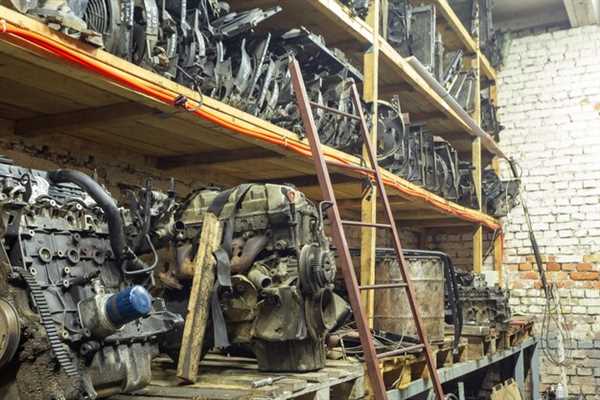
To ensure the reliability of pre-owned components sourced from salvage facilities, conducting methodical evaluations is paramount. Begin with a thorough visual examination using a checklist tailored to identify specific indicators of wear and tear, corrosion, or previous damage. Pay particular attention to attachment points, seals, and any signs of fluid leakage.
Next, employ measurement tools to assess critical dimensions and tolerances. Utilize calipers and micrometers to confirm that parts conform to necessary specifications. This step is vital, especially for mechanical components where precision is crucial for optimal performance. If available, consult the manufacturer’s guide for measurement benchmarks.
Finally, consider conducting functional tests where feasible. For electrical components, ensure they meet performance standards by testing voltage and continuity. This verification can prevent future failures and enhance the longevity of reinstalled items in a vehicle. Always document findings meticulously, as this record serves as a reference for future assessments and installations.
Criteria for Evaluating Used Parts Condition
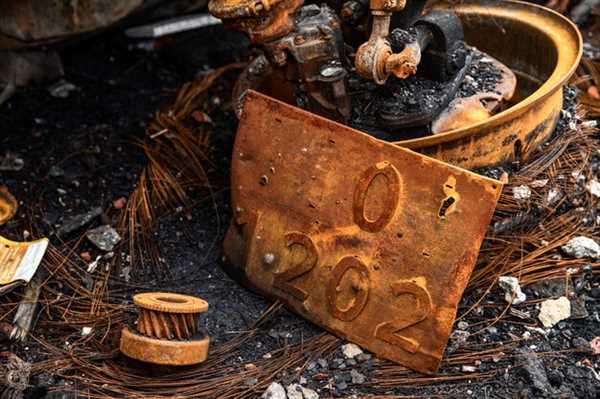
Examine each component for visible signs of wear or damage. Look for cracks, rust, or corrosion as indicators of potential failure.
Assess the functional integrity by checking moving parts for smooth operation. Any stiffness or grinding should raise concerns.
Verify the compatibility with the specific vehicle model. Ensure that the part matches the original specifications to avoid issues during installation.
Evaluate the history of the item, if available. Knowing the previous application can provide insight into its longevity and reliability.
Inspect for missing or damaged accessories such as bolts or brackets, which are crucial for proper installation and function.
Test electronic components with a multimeter to confirm they are operational. Non-functional electronics can lead to significant repair challenges.
Consider the age of the item, as components can degrade over time regardless of their initial condition.
For mechanical items, check for any unusual noises or vibrations during testing. These can signal underlying issues.
Seek documentation or warranties when possible. This may provide reassurance about the part’s previous performance and durability.
Prioritize parts that have been properly stored and maintained, as environmental factors can greatly impact condition over time.
Tools and Techniques for Accurate Inspection
Utilize a comprehensive checklist tailored for evaluating components. Include criteria like structural integrity, wear levels, and signs of damage. This ensures no critical aspect is overlooked.
Employ a flashlight to identify rust or corrosion in hard-to-see areas. Bright light allows for better visibility, revealing potential issues that may compromise functionality.
Leverage magnetic particle testing for metal items. This non-destructive method detects surface and near-surface flaws, which can indicate weaknesses in critical components.
Incorporate a bore scope to assess internal conditions of parts, particularly for engines and transmissions. This tool enables a detailed view without disassembly.
Thermal imaging cameras can identify overheating components. Visualizations of temperature variances assist in recognizing areas that may need replacement.
Use micrometers and calipers for precise measurements of clearances and tolerances. These tools provide exact dimensions, ensuring compatibility with other components.
Engage in visual assessments alongside tactile evaluations. Feel for irregularities that may not be visible, such as excessive play in moving parts or unusual vibrations.
Document findings systematically to track the condition of items over time. Clear records facilitate informed decisions on potential repairs or replacements.
Documentation and Record-Keeping for Inspected Parts
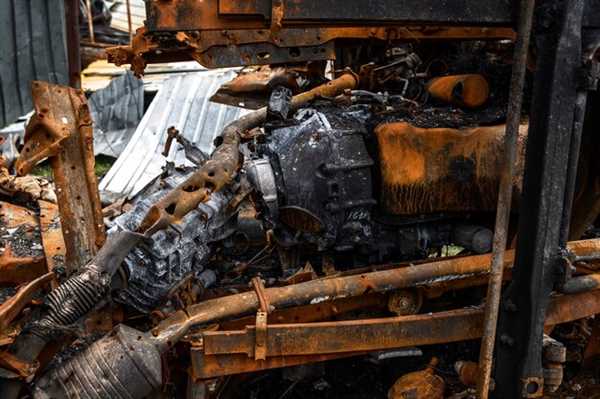
Maintain a detailed log for every component evaluated. Record the date of assessment, name of the inspector, and specific findings. Assign a unique identifier to each item to facilitate tracking and retrieval.
Utilize a standardized form that captures critical data such as part type, condition, mileage if applicable, and any repairs or modifications made. Include photographs showing the part’s current state, ensuring clear visual evidence of its condition.
Implement a digital system for archiving records, allowing for easy access and backup. Ensure all data is regularly updated to reflect any changes in status or availability. Additionally, categorize items by type, manufacturer, and compatibility with various models for streamlined organization.
Conduct periodic reviews of records to ensure compliance with industry standards and to identify any discrepancies. Keep a log of any complaints or returns related to sold pieces, as this information can guide future assessments.
Lastly, adhere to local regulations regarding documentation to ensure legal compliance and enhance credibility with customers seeking reliable and trustworthy options. Proper record management not only supports quality assurance but also builds customer confidence in purchases.