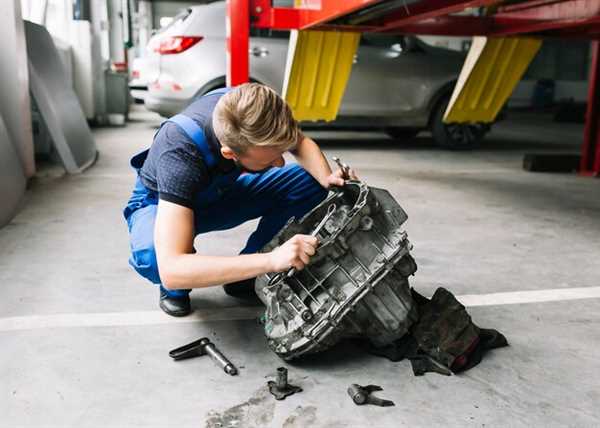
For accurate evaluation, prioritize the inspection of placing units on a stable surface. Make sure to check for leaks, odd noises, and fluid condition before conducting any further assessments. Gathering these initial observations can provide insight into the overall functionality.
Utilize diagnostic equipment to assess electronic components and fluid flow. Pay attention to error codes which might indicate specific issues within the assembly. This step facilitates identifying the extent of wear and potential repairs needed.
Establish a procedure for testing gears under load conditions to mimic real-world scenarios. This approach yields reliable data regarding performance and longevity. A thorough evaluation can help determine whether the unit is suitable for resale or requires refurbishment.
Document each step meticulously; having a record of findings supports future sales and inventory management. Transparency with potential buyers regarding the condition can lead to successful transactions and reduce the chances of disputes.
Step-by-Step Guide to Safely Remove Transmissions
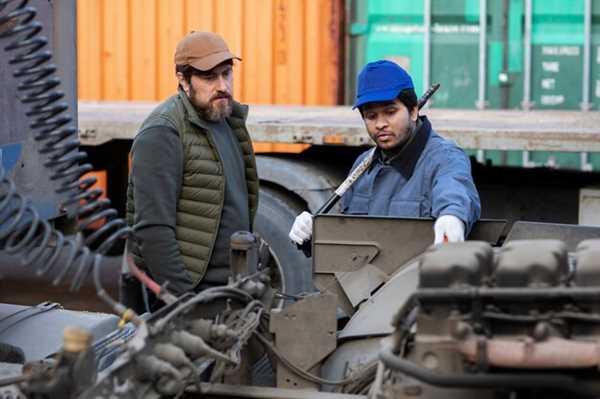
Ensure the vehicle is securely elevated on jack stands or ramps to allow easy access. Disconnect the battery to prevent electrical issues during the disassembly process.
Next, drain the fluid from the gearbox to avoid spills. Locate the drain plug, use a suitable container, and allow all fluid to exit completely.
Remove any components that obstruct access, such as exhaust system parts or crossmembers. Keep track of the hardware for reinstallation later.
Detach linkages and electrical connectors. Label each one to facilitate reassembly. Take care while handling delicate wiring to prevent damage.
Support the assembly with a transmission jack. Carefully unbolt it from the engine and frame, ensuring all fastenings are fully released.
Lower the assembly slowly while monitoring for any caught components. Once clear, move it to a secure workspace for further evaluation.
Perform a thorough inspection of the part before reusing or selling. Check for signs of wear, leaks, and operational readiness.
Consider conducting a function check to confirm performance. Utilize a testing tool, if available, to assess its condition accurately.
Methods for Testing Salvage Transmissions Before Purchase
Inspect the exterior for any visible damage or signs of leaks. A clean and dry case generally indicates better overall condition.
Check for the presence of a parts tag or identification number. This information is crucial for compatibility with your vehicle.
Rotate the output shaft to feel for smooth operation without any binding or unusual resistance. This action provides insights into internal component health.
Conduct a fluid assessment by examining the transmission oil. Fresh, red fluid suggests recent maintenance, while dark or burnt oil indicates potential issues.
Engage in a pressure test using a gauge to confirm optimal operation of internal hydraulics. A healthy system should maintain adequate pressure without fluctuations.
Verify electrical connections by inspecting the wiring harness and plugs for corrosion, fraying, or damage. Secure connections are critical for electronic controls.
Perform a cold soak test, if possible. A unit that engages correctly after sitting for extended periods might show a reliable performance capability.
Review warranty options or return policies from the salvage yard for added security in the purchase. This guarantees some protection against unforeseen failures.
Common Issues Found in Used Transmissions and Their Solutions
Fluid leaks are frequent in salvaged components, manifesting at seals or gaskets. Inspect these areas for any signs of fluid accumulation. Replacing worn seals or applying sealant can mitigate this problem.
Shifting difficulties often arise due to worn-out components or low fluid levels. Regular checks of the fluid for color and level ensure smooth gear changes. If shifting is still problematic, a thorough internal inspection may be necessary to identify damaged gears or synchronizers.
Noises such as grinding or clunking indicate mechanical issues. Diagnosing the source is crucial; it could point to bearing wear or gear damage. Replace any defective parts immediately to prevent further damage.
Overheating can be a result of fluid loss or blockage in cooling pathways. Ensure proper fluid circulation and consider installing an external cooler if overheating persists.
Electronic malfunctions in modern components often stem from faulty sensors or wiring. Scanning the unit for error codes can help identify electrical issues. Replacing sensors or repairing wiring harnesses typically resolves these malfunctions.
Regular maintenance and prompt attention to these issues when salvaging components can significantly extend their lifespan and reliability.