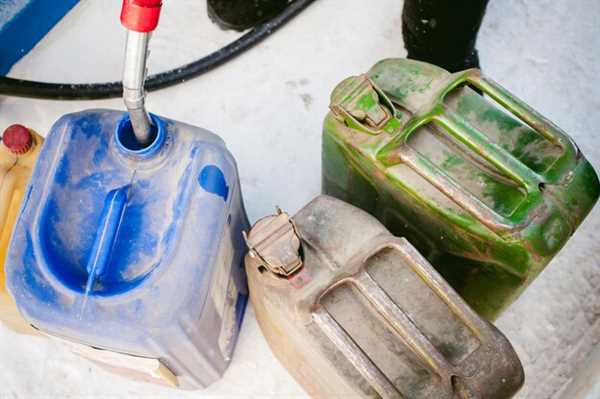
For optimal extraction of hazardous liquids such as motor oil, coolant, and fuel, utilizing a proper siphoning approach is key. Employing a manual or electric pump equipped with a suitable hose can facilitate the effective transfer of these substances into designated containers. Ensure that the containers are clearly labeled to avoid cross-contamination of different types of fluids.
Prior to commencing the extraction, it’s critical to assess the vehicle for any remaining fluids. Engage with the vehicle’s manual to locate drain plugs and reservoir caps. Using appropriate personal protective equipment, such as gloves and goggles, minimises the risk of exposure to toxic substances during the process.
Educate yourself about local regulations regarding fluid handling to ensure compliance. Many regions mandate specific disposal procedures for various liquids, thus contacting local disposal facilities beforehand can streamline the approach and avoid any penalties.
Lastly, consider recycling the extracted materials wherever possible. Several organizations accept used motor oil and coolants for recycling, which not only helps the environment but may also generate a small return on your effort.
Identifying Hazardous Fluids in Scrap Vehicles
Inspection of aging cars should target specific substances, including motor oil, transmission fluid, brake fluid, coolant, and fuels. Each of these can pose threats to human health and the environment if not managed properly.
Check for oil leaks beneath the vehicle; this can indicate the presence of used motor oil and transmission fluid. Use absorbent materials to contain any leaks detected. Always handle these substances with gloves.
Brake fluid is often found in lines and reservoirs; it may appear clear or slightly yellow but becomes a hazard if it leaks. Symptoms of exposure can include skin irritation.
Antifreeze can often be identified by its vibrant colors, typically green, orange, or pink. It is toxic to humans and animals, requiring careful containment during extraction.
Gasoline, found in the tank and fuel lines, poses risks of fire and should be extracted systematically using appropriate siphoning equipment. Ensure adequate ventilation during this process.
Perform thorough analyses and label each detected substance. Proper classification assists in safe transport and disposal, aligning with local regulations for hazardous waste management.
Step-by-Step Guide for Safe Fluid Extraction
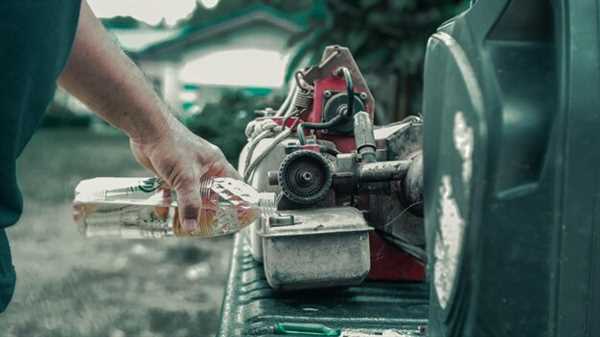
Wear appropriate personal protective equipment, including gloves, goggles, and an apron. This prevents contact with hazardous substances.
Locate the vehicle’s service manual. Familiarize yourself with the specific components related to the liquid systems.
Ensure the vehicle is on a level surface and securely supported. Engage the parking brake to prevent movement during the process.
Identify the types of liquids present, such as oil, coolant, or transmission fluid. Each requires different handling procedures.
Utilize a siphon pump or a designated fluid extraction tool. This minimizes spills and reduces exposure to toxic vapors.
Open the hood or access panels to locate the fluid reservoirs. Carefully remove caps or plugs to allow air to enter, easing extraction.
Extract fluids slowly, avoiding overfilling the collection container. Monitor the process to prevent spills.
Seal collected liquids in appropriate containers for disposal. Label each container clearly to indicate contents and hazards.
Dispose of the extracted substances at a certified recycling or disposal facility. Adhere to local regulations concerning hazardous waste.
Clean the surrounding area thoroughly to remove any spills or residues. Maintain a clean workspace to mitigate risks associated with hazardous materials.
Proper Disposal Techniques for Vehicle Fluids
Utilize designated collection points for oils, antifreeze, and other liquids at local recycling centers or automotive shops to ensure environmentally responsible recycling.
Store waste liquids in sealed containers that clearly label the contents to prevent leaks and accidents during transportation.
Engage with certified disposal companies for hazardous substances to guarantee compliance with environmental regulations in your area.
Do not pour any liquids into sewer systems, storm drains, or onto the ground as this causes contamination and can lead to legal penalties.
Consider reusing engine oil in machinery or home heating systems if it meets the necessary standards. Always confirm local laws regarding usage.
Participate in community disposal events, where residents can drop off automotive substances for proper processing and management.
Educate others in your community about responsible handling and disposal practices to reduce environmental impact associated with automotive by-products.