
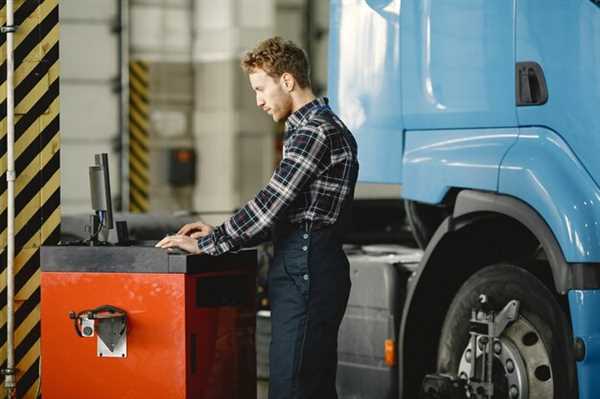
Utilizing a structured approach significantly enhances productivity in salvage operations. Establish clear categories based on make, model, and year to facilitate easier access to components. Employing a systematic numbering system can aid in tracking and managing inventory effectively.
Implement a thorough inspection routine upon arrival. Each unit should be evaluated for reusable assets, with a detailed report generated for every item. This practice not only maximizes the return on investment but also minimizes waste, paving the way for sustainable practices within the industry.
Designate specific zones for different categories, such as engines, transmissions, and body parts. Integrating signage and labeling these sections allows employees and customers alike to locate desired items quickly. Regular audits of inventory are necessary to maintain accuracy and to assist in order fulfillment.
Incorporate technology to streamline operations. Utilizing software solutions for inventory management can lead to significant time savings, as well as provide real-time data on available stock and potential sales. These advancements foster better decision-making and increase overall profitability.
Collaboration among staff is paramount. Regular training and updates on best practices ensure that all team members are on the same page and aware of any changes in procedures or inventory management. This level of engagement promotes efficiency and facilitates smoother workflows.
Methods for Categorizing Vehicles Based on Make and Model
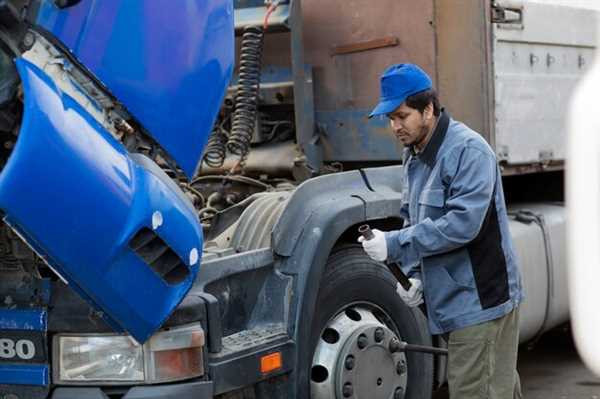
Implement labeling systems that clearly identify make and model for each unit. Use waterproof labels to ensure durability over time.
Employ a color-coded sorting approach. Assign specific colors to different manufacturers, making it easier to visually distinguish between various makes on the lot.
Utilize database software to track inventory. Create a comprehensive digital catalog detailing the make, model, year, and condition of each component, allowing for quick searches and retrieval.
Regularly review and update inventory to reflect current stock. Schedule periodic audits to eliminate discrepancies between physical and digital inventories.
Designate zones within the yard specifically for each make. This spatial organization aids in the efficient sorting and retrieval of parts as needed.
Train staff on systematic identification practices. A knowledgeable team ensures consistency in categorization, minimizing errors in part selection.
Incorporate barcode scanning technology. This method can significantly streamline the process of checking parts in and out, while simultaneously maintaining accurate records.
Establish a detailed guide that outlines the specifications for each make and model. This reference should be easily accessible to aid employees in identifying the right parts quickly.
Techniques for Efficient Parts Retrieval and Inventory Management
Implement a barcode scanning system to streamline identification and tracking of components. Each section should have labeled bins or shelves corresponding to specific models, making it easier to locate items quickly.
Adopt a modular layout for storage, categorizing parts by type such as engines, transmissions, or body panels. This arrangement promotes faster access and minimizes time spent searching.
Utilize software for inventory management that provides real-time updates. This reduces the risk of stock discrepancies and allows for precise monitoring of available resources.
Regularly conduct audits to assess stock levels and condition of items. Establishing a routine ensures components are in usable condition and prevents accumulation of unusable stock.
Create a visual reference guide that shows the location of frequently requested items. This assists workers in quickly identifying where specific elements can be found.
Train employees on best practices for handling and retrieving via hands-on sessions, emphasizing speed and accuracy techniques that align with the operational workflow.
Implement a first-in, first-out system for inventory turnover. This strategy helps maintain the quality of components and avoids obsolescence.
Safety Protocols When Dismantling Vehicles for Parts
Wear Personal Protective Equipment (PPE): Always use gloves, safety glasses, and steel-toed boots. A hard hat is essential in areas with overhead hazards.
Isolate Dangerous Fluids: Properly drain fuel, oil, and refrigerants before any dismantling. Use absorbent materials to manage spills safely.
Ensure Stable Positioning: Utilize lifts or ramps to secure the automobile while working. Ensure the vehicle is immobilized and positioned away from traffic zones.
Use Tools Correctly: Select the appropriate tools for each task. Regularly inspect tools for wear or damage to prevent accidents.
Follow Electrical Safety Guidelines: Disconnect the battery and use insulated tools when working on electrical systems. Be cautious of airbags and wiring.
Implement Proper Sorting Techniques: Organize components systematically. Label parts immediately upon removal to avoid confusion and enhance retrieval efficiency.
Maintain Clean Work Areas: Clear debris and tools from the workspace. This practice minimizes tripping hazards and enhances focus during dismantling.
Adhere to Waste Disposal Regulations: Dispose of hazardous materials according to local regulations. Use designated containers for fluids and other pollutants.
Conduct Training Sessions: Regularly educate staff on safety protocols and emergency procedures. Encourage open discussions on potential hazards encountered.
Establish Emergency Procedures: Have a clear plan for handling accidents, including first aid and evacuation routes. Ensure that first aid kits are readily accessible.