
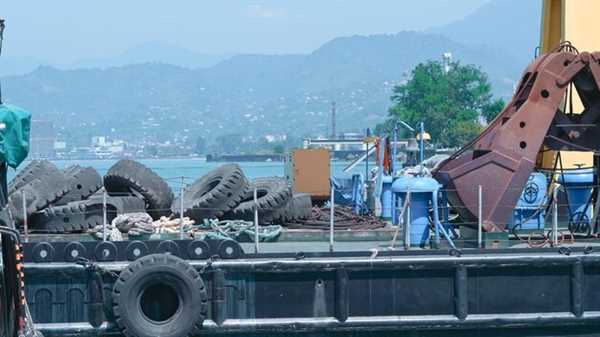
Consider prioritizing the dismantling of outdated vehicles as a strategy for minimizing landfill overload. Each year, millions of cars are retired, many of which end up in disposal sites, contributing to the deterioration of our surroundings. Transitioning to recycling practices not only conserves resources but also mitigates the burden on landfills.
Disassembling vehicles allows for the recovery of valuable materials like metal and plastic, which can be repurposed in manufacturing processes. For instance, approximately 75% of a typical vehicle can be recycled. This not only reduces the need for new raw materials but also minimizes energy consumption associated with extraction and processing.
Adopting these recycling practices can lead to a significant decrease in environmental pollution. By diverting thousands of tons of auto remnants from disposal facilities, communities can reduce harmful emissions and promote a cleaner ecosystem. Encouraging local businesses to implement dismantling operations fosters a sustainable approach while creating job opportunities and supporting economic growth.
How Auto Wrecking Processes Minimize Waste in Landfills
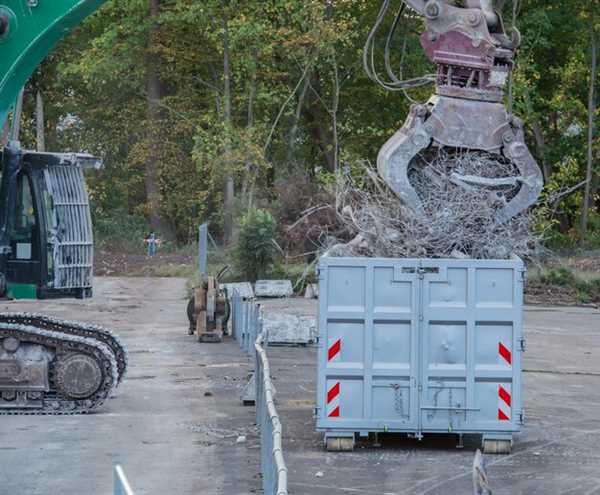
Implementing a robust recycling protocol during vehicle dismantling significantly cuts down on refuse entering disposal sites. By salvaging usable components such as engines, transmissions, and various electronic parts, these operations substantially lower the number of materials discarded in the environment.
Crucial to this practice is the extraction of fluids like oil, coolant, and gasoline before the vehicle is processed. Proper fluid management not only prevents contamination but also opens up opportunities for reclamation, thus diverting hazardous substances from dumping grounds.
Materials such as steel and aluminum are recovered for remanufacturing. This not only conserves energy in comparison to mining and refining new metals but also minimizes the carbon footprint associated with transportation to recycling facilities.
Incorporating advanced technologies such as shredders and separators enhances the recovery of ferrous and non-ferrous metals, plastics, and glass. This further contributes to a significant reduction in volume heading to disposal, creating a more sustainable circular economy.
Promoting community awareness regarding the environmental benefits of vehicle recycling can drive more individuals toward utilizing these services, thereby amplifying the positive impact on local ecosystems. By prioritizing reusable parts and materials, a collaborative effort arises to preserve natural resources and mitigate pollution issues.
The Role of Recyclable Materials from Wrecked Vehicles in Environmental Conservation

Prioritize the recovery of materials from decommissioned vehicles such as metals, plastics, rubber, and glass. Approximately 80% of a vehicle can be recycled, significantly reducing the need for new raw materials.
Utilize reclaimed metals like steel and aluminum, which comprise a large portion of automobile structures. Recycling these metals saves up to 95% of the energy required for virgin production, leading to substantial reductions in greenhouse gas emissions.
Incorporate shredded plastic components into new products; recycling plastic from vehicles can decrease petroleum dependence and lower the carbon footprint associated with manufacturing new plastic.
Encourage the use of reclaimed tires, which can be repurposed for various applications, including asphalt, playground surfaces, and cushioning materials. This approach not only minimizes landfill deposition but also enhances product durability.
Collaborate with local recycling facilities to streamline the process of dismantling vehicles and recovering recyclable parts. This partnership ensures that valuable materials are not wasted and promotes a circular economy within the automotive sector.
Advocate for consumer awareness regarding the benefits of recycled car parts, which can lead to lower costs and reduced environmental impact. Studies show that using recycled components can mitigate pollution from manufacturing processes.
Monitor the lifecycle of recycled materials to ensure sustainable practices in processing and manufacturing. By tracking the journey of these materials, the automotive industry can identify improvements and further refine its recycling strategies.
Regulatory Standards and Practices Supporting Sustainable Auto Wrecking Operations
Implement strict compliance with the Environmental Protection Agency (EPA) guidelines to mitigate harmful emissions during vehicle recycling. Adherence to these standards ensures that fluids are properly drained and disposed of, minimizing pollution risks.
Establish a systematic protocol for the collection and segregation of materials. Prioritize the recovery of metals, plastics, and glass to divert significant volumes from landfills. Implementing dedicated recycling stations within facilities improves efficiency.
Conduct regular training sessions for staff to ensure familiarity with safety regulations and sustainable practices. This enhances overall operational safety while reinforcing commitment to environmental stewardship.
Utilize advanced technology, such as hydraulic machines and specialized extraction tools, to efficiently dismantle vehicles. These innovations not only streamline processes but also reduce the physical footprint of operations on the environment.
Engage with local authorities to stay informed about emerging regulations and incentives that support environmentally friendly practices. Collaborations can lead to financial benefits, such as tax breaks for sustainable operations.
Enhance community outreach efforts to promote awareness of recycling benefits, fostering goodwill and encouraging responsible disposal methods among the public.
Monitor and report operational metrics related to recovery rates and reductions in hazardous material usage. Transparency in reporting builds trust with regulatory agencies and the community while showcasing commitment to sustainability.