Opting for environmentally friendly disposal methods significantly minimizes waste and maximizes material recovery. Approximately 75% of a vehicle is recyclable, with metals such as steel and aluminum being prime candidates for reuse in new manufacturing processes.
Moreover, car batteries contain valuable components like lead and lithium that, when processed correctly, can prevent toxic contamination and support new battery production. Ensuring these elements are redirected from landfills not only conserves mined materials but also reduces harmful emissions associated with mining practices.
Utilizing specialized facilities for breaking down vehicles guarantees that plastics and rubber parts are repurposed efficiently. This approach not only diminishes the demand for virgin materials but also mitigates pollution associated with their extraction and processing.
Transitioning towards responsible disposal methods fosters a sustainable cycle of utilization, ensuring that the materials from old vehicles contribute positively towards new generations of production, thus aligning with the broader goal of environmental stewardship.
Understanding the Car Recycling Process and Its Benefits
Begin by identifying a licensed facility that specializes in vehicle reclamation. This ensures that the process adheres to regulations and environmental standards.
The initial step involves draining all fluids, such as oil, coolant, and fuel, to prevent contamination. Next, recover hazardous materials like batteries and airbags, which must be managed carefully.
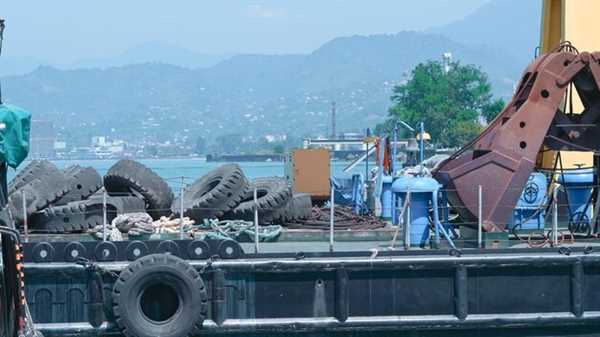
Metal parts are separated from non-metal components. Steel and aluminum can be repurposed, while plastic is processed for reuse in various products. Tires are converted into alternative materials, reducing landfill waste.
After physical disassembly, materials are sorted and processed. Ferrous metals head to smelting plants; non-ferrous metals are treated to recover precious metals. This practice significantly diminishes the need for mining new materials.
Using reclaimed materials lessens environmental impact, conserves energy, and reduces emissions. By lowering demand for new components, communities protect ecosystems and combat resource depletion.
Engaging in this process enhances economic growth through job creation in local industries. It also fosters sustainable practices by encouraging responsible consumer behavior.
Key Materials Recovered from Recycled Vehicles

Ferrous and non-ferrous metals are some of the primary elements extracted from dismantled vehicles. Steel, making up approximately 60% of a vehicle’s weight, is widely reused in construction and manufacturing, significantly lowering the demand for new steel production.
Copper, found in wiring and electrical components, is another valuable metal recovered. With increasing demand in electrical applications, salvaging copper contributes to a reduction in the need for mining.
Aluminum is highly sought after for its lightweight properties and resistance to corrosion. This metal, which is often used in engines, body parts, and wheels, can be recycled repeatedly without degrading its quality, promoting sustainability in production processes.
Plastics from bumpers, dashboards, and interior panels are repurposed into new products, further minimizing waste and decreasing the need for new petroleum-based materials. In addition, rubber from tires can be transformed into various materials like flooring and playground surfaces.
Glass components such as windows and mirrors are collected and refined for use in new products, reducing the energy costs associated with making new glass from raw materials.
By focusing on these key materials, significant environmental and economic benefits are realized, minimizing depletion and ensuring availability for manufacturing sectors worldwide.
How Car Recycling Contributes to Sustainable Resource Management

Maximizing the reuse of vehicle components significantly reduces the strain on the planet’s materials. Efficient extraction of metals and plastics from decommissioned vehicles can lower the demand for mining and refining new raw materials. In fact, recycling one ton of metal can save over 1,400 pounds of iron ore.
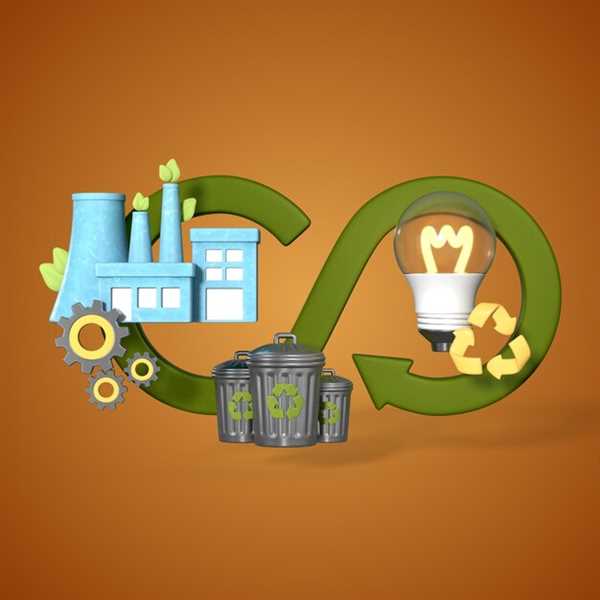
The practice of dismantling provides another benefit by allowing parts to be resold, thus extending their lifecycle. This not only reduces waste but also supports a circular economy, where products and materials are kept in use for longer periods.
Through proper disassembly, hazardous substances such as batteries and fluids are managed responsibly, minimizing their environmental impact. This aspect is critical in maintaining ecological balance while conserving valuable materials.
Furthermore, the energy saved in producing new items from recycled materials can be astonishing. It takes significantly less energy to generate aluminum from scrap than from bauxite, reducing greenhouse gas emissions in the process.
Adopting effective end-of-life vehicle programs and supporting legislation on material recovery can yield substantial benefits. These actions contribute to a sustainable model, addressing both economic and environmental needs effectively.