Opt for carefully selected parts to enhance both performance and aesthetics of your vehicle. Reliable sources, such as established salvage yards or online marketplaces specializing in automotive components, can provide significant cost savings while maintaining quality.
Inspect the integrity of each component thoroughly. Check for any signs of rust, dents, or warping, which can compromise safety and functionality. Ensure the match with your vehicle’s original specifications to avoid compatibility issues.
Consider the history of the parts you are examining. Previous repairs, modifications, or damages can influence the long-term reliability and durability of any structure. Seeking documentation or maintenance records can offer insights into its condition and usage.
Finally, factor in potential labor costs and installation challenges associated with these components. Engaging a knowledgeable technician may streamline the process and alleviate future headaches, ensuring a seamless integration into your vehicle.
Assessing the Condition of Used Body Panels
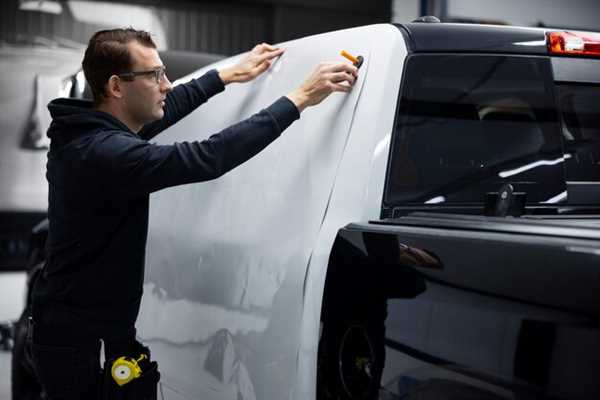
Inspect for any signs of rust or corrosion. Check the edges and seams where moisture tends to accumulate.
Evaluate the overall straightness. Use a straightedge or your eyes to identify any warping or dents.
- Look for paint mismatches or overspray, which may indicate previous repairs.
- Check for structural integrity. Inspect mounting points for damage or bending.
- Assess the flexibility of the material. Gently bend and observe for cracks or breaks.
Examine for previous welding or structural modifications. This could signal potential weaknesses.
- Ensure the finish is consistent, indicating uniform exposure to elements.
- Test the surface for smoothness. An uneven texture can suggest inadequate preparation prior to painting.
- Consider the source. Reputable sellers often provide history on prior use or damage.
Document all findings for future reference. This can assist in negotiations or assessments of fitness for purpose.
Cost-Benefit Analysis of Used vs. New Body Panels
Opt for pre-owned components to save significantly on expenditure, with prices often ranging from 30% to 70% lower than fresh options. Assess the condition: check for rust, dents, and paint quality, as these factors influence longevity and repair costs.
Time efficiency is another consideration. Used parts may require additional prep work, including cleaning and potential modifications, adding to labor costs. New components offer a direct fit, reducing installation time.
Warranty terms need evaluation; new items typically come with guarantees, while second-hand options may provide limited or no coverage, impacting future expenses if issues arise.
Environmental impact is a factor; reusing resources reduces waste and energy consumption associated with manufacturing new components, thereby promoting sustainability.
For rare or discontinued vehicles, sourcing pre-owned alternatives might be the only viable option, allowing owners to maintain authenticity without breaking budget constraints.
Calculate the total cost by factoring in acquisition price, potential repairs, and any additional labor, enabling an informed decision on the best choice based on specific needs and resources.
Installation Challenges and Solutions for Used Body Panels
Ensure proper alignment during installation. Misalignment can lead to gaps and improper fitment. Use adjustable brackets or shims to aid in achieving optimal positioning.
Check for rust or damage before fitting. Repair or treat areas affected by corrosion to prevent future complications. Applying rust-inhibiting primer can prolong the lifespan of the attachment.
Secure fasteners tightly, but avoid over-tightening to prevent warping. Utilize a torque wrench to comply with manufacturer specifications for bolt tension.
Consider using new seals and gaskets, as older components may degrade in performance. This ensures proper sealing and reduces the likelihood of water intrusion.
Test the fitment of panels before completing the installation process. Make adjustments as needed to maintain a flush finish with surrounding surfaces.
Be aware of variations in paint texture and shade. If color matching is necessary, consult a professional for recommendations on blending solutions.
Plan for potential issues related to electrical components or sensors mounted on the original structure. Identify connections early in the process to avoid delays.