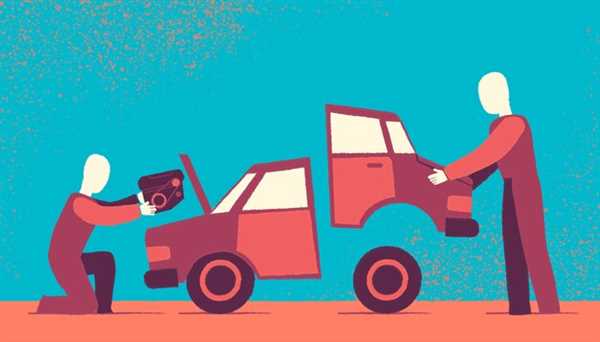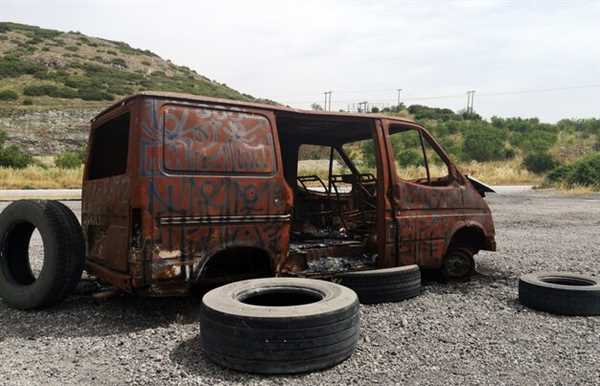
If you’re considering acquiring or disposing of a damaged vehicle, it’s crucial to differentiate between different classifications. Vehicles labeled as salvage are typically those that have been declared a total loss due to damage, yet they may still possess worth with repairs. Conversely, vehicles categorized as junk usually lack value, often being non-operational or excessively damaged.
The legal status of these vehicles varies significantly by jurisdiction. Salvaged vehicles may require a title branding, indicating their previous condition, which can affect resale value. In contrast, junk vehicles often have limited legal standing, primarily serving as parts sources or scrap metal, and might not need formal title transfer for sale.
Evaluating the value of these vehicles involves examining their condition, repair costs, and market demand. Factors such as mileage, engine performance, and exterior condition will impact the final worth. Be prepared to assess repair estimates comprehensively and research similar sales to gain insight into fair pricing.
Whether buying or selling, following proper protocols is essential. For buyers, verifying the vehicle’s history and obtaining a thorough inspection can help avoid future liabilities. Sellers should ensure they have the correct documentation, including titles and service records, to facilitate a smooth transaction.