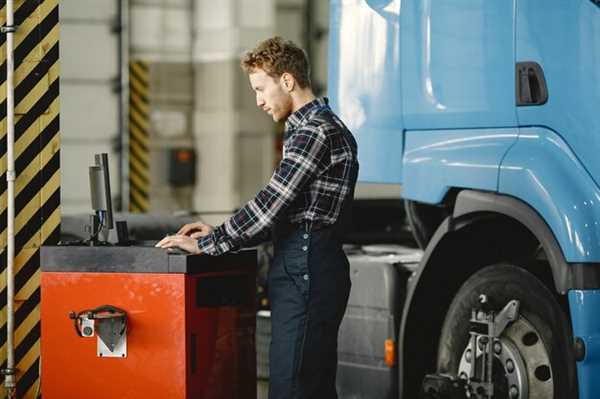
To grasp the procedure of what happens post-disposal, it’s crucial to break it down into distinct stages. It starts with an initial assessment where the condition of the vehicle is evaluated. Components such as the engine, transmission, and various electronics are inspected for potential reuse or recycling.
Next, dismantling occurs. Valuable parts are meticulously removed and categorized. Items like batteries, tires, and metal components are set aside for specialized recycling processes. This step not only maximizes recovery but also minimizes environmental impact.
Following dismantling, the remaining structure is processed further. Materials such as steel and aluminum are compressed and prepared for sale to recycling facilities. This not only conserves natural resources but also contributes to a circular economy by enabling the creation of new products from the recycled materials.
Lastly, the holistic management of waste is considered, ensuring any hazardous substances are handled responsibly. Adopting these practices ensures that vehicles reaching their end do not solely contribute to waste, but rather, play a significant role in resource recovery and sustainability.
Assessment and Classification of Vehicles at the Scrapyard
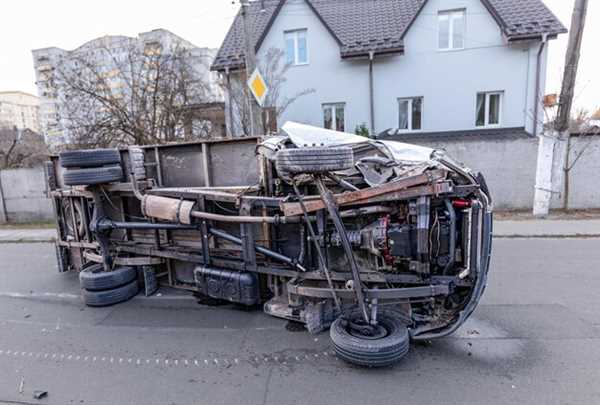
Begin with a detailed visual inspection to identify major components such as engine type, transmission, and body condition. This assessment determines whether parts are viable for resale or recycling.
Use a standardized grading system to classify vehicles into categories based on their operational status: salvageable, non-repairable, or parts-only. Salvageable units might require minor repairs, while non-repairable ones are designated for scrap metal recovery.
Document specific features including mileage, damage extent, and aftermarket modifications. This data is crucial for accurate pricing and helps in managing inventory effectively.
Implement a process for tracking parts and materials extracted. Maintain records that facilitate the identification of available components for future sales or repairs. Establish protocols for proper disposal of hazardous materials in compliance with local regulations.
Engage trained personnel for thorough evaluations. Consider using diagnostic equipment to assess electrical systems and other complex components, ensuring a precise classification.
Finally, conduct regular audits of categorized vehicles to adapt to market demands and optimize resource allocation. Continuous review enhances operational productivity and improves profitability.
Parts Salvaging and Recycling Procedures

Prioritize dismantling valuable components such as engines, transmissions, and electronic systems before processing other materials. Securely remove these parts with care, utilizing appropriate tools to avoid damage.
Inspect each salvaged component meticulously for functionality. Clearly label and categorize items to facilitate easy access and resale. Perform necessary cleaning and minor repairs to enhance their market value.
Separate non-metal materials, like plastics and rubber, from metals. These materials require distinct recycling protocols. Metals should be further sorted into categories such as aluminum, steel, and copper, maximizing potential return.
Engage certified recycling partners specializing in hazardous materials like lead-acid batteries and fluids. Adhering to environmental regulations is vital to prevent contamination and ensure safe handling.
Utilize software management systems to track inventory for salvaged parts. This technology streamlines operations, enhances accuracy in sales processes, and optimizes warehouse organization.
Consider developing partnerships with businesses focused on remanufacturing. Reusing processed components fosters sustainability and can expand market offerings beyond simple reselling.
Regularly review market trends to adjust salvaging practices. Staying informed about demand for specific parts can significantly influence profitability in this segment.
Final Disposal and Environmental Compliance in Scrapyards
Ensure all hazardous materials are handled according to local regulations. This includes proper removal of fluids such as oil, coolant, fuel, and other substances to prevent soil and water contamination. Employ spill containment measures to manage accidental releases.
Metals should be separated from non-metal components. Implement recycling processes for aluminum, steel, and plastics to maximize material recovery while minimizing landfill waste.
Establish partnerships with certified waste management companies to dispose of non-recyclable materials. Regular audits should be conducted to verify compliance with environmental standards and local laws.
Maintain accurate records of all disposals, recycling activities, and waste management to ensure traceability and adherence to regulatory requirements. Update staff training regularly to keep them informed about best practices and compliance obligations.
Invest in eco-friendly technologies and methods to reduce the environmental impact of operations. Incorporate monitoring systems for emissions and discharges as part of a proactive approach to environmental management.