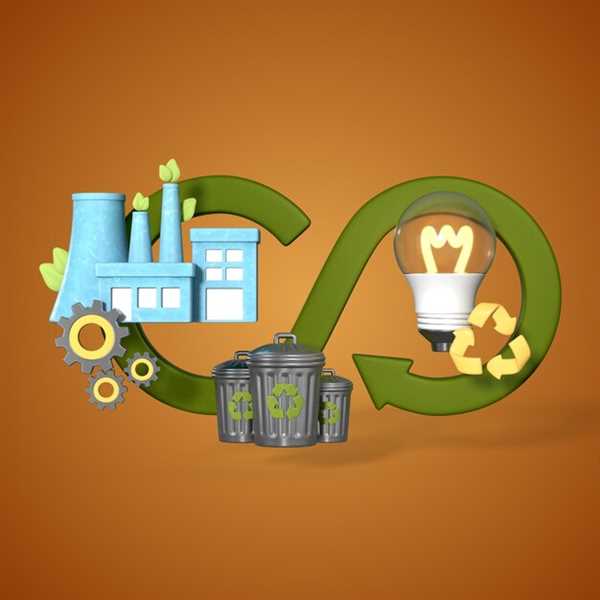
Utilizing salvaged vehicle components significantly reduces waste, contributing to a cleaner planet. Statistics show that recycling automotive materials can lead to a decrease in energy consumption by 50-90%, depending on the part being reused. This reduction is crucial in tackling greenhouse gas emissions.
Implementing secondhand vehicle components invites a cycle of sustainability. By sourcing these items, individuals can diminish the demand for new production, which often requires extensive natural resources. For example, manufacturing new steel requires 1.5 tons of iron ore, 0.5 tons of coal, and 0.3 tons of limestone. By opting for pre-owned metal parts, one can help conserve these essential materials.
Supporting this approach does not only benefit nature; it also offers economic advantages. Consumers often find that pre-owned automotive components are substantially more affordable than their brand-new alternatives, providing budget-friendly solutions without compromising quality. As a significant number of components can be refurbished to meet high standards, this practice promotes both savings and environmental responsibility.
How Recycled Auto Parts Reduce Landfill Waste
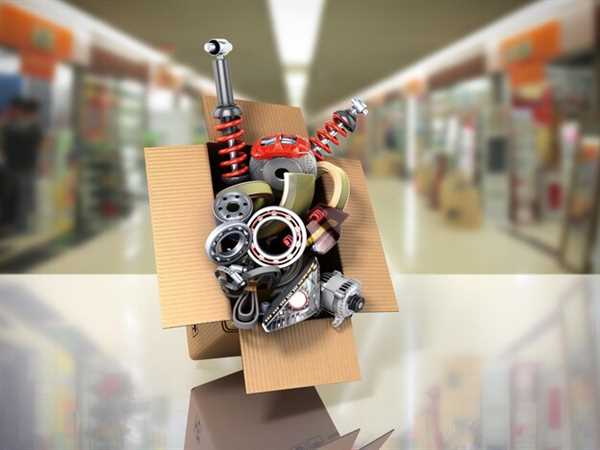
Utilizing salvaged components significantly lessens landfill contributions. Fewer materials discarded translates into a healthier land ecosystem.
Recycling automotive components can lead to a drastic decrease in the volume of waste generated. Here are key points demonstrating this impact:
- Many vehicles contain valuable metals like steel and aluminum, which can be extracted and reused, thereby limiting raw material extraction.
- Plastic, rubber, and glass from vehicles are commonly found in landfills. Reusing these items mitigates their environmental footprint.
- Processing a vehicle for its materials prevents it from being buried in landfills, where it would occupy space for decades.
- Reclaimed items often use less energy in their production cycle, resulting in lower carbon emissions compared to new components.
By opting for salvaged materials instead of newly manufactured alternatives, individuals contribute to a reduction in need for natural resources and energy, helping to maintain ecological balance.
Impact of Recycled Parts on Resource Conservation
Utilizing salvaged components significantly reduces the demand for new materials, helping to conserve natural resources. Studies indicate that using slightly worn segments can lower the extraction of metals and plastics, thereby minimizing habitat disruption and energy consumption associated with mining and production processes.
For instance, each recycled ton of steel conserves approximately 1,000 kilograms of iron ore, along with substantial amounts of coal and limestone. This practice leads to a marked reduction in environmental pollutants generated during manufacturing. Additionally, reusing automotive fixtures is critical in mitigating landfill waste, where discarded units often take decades to decompose.
Switching to repurposed pieces not only lessens carbon emissions linked to new material production but also encourages a circular economy. This approach promotes sustainability by re-integrating existing materials back into production cycles, ultimately preserving valuable resources for future generations.
Cost Savings and Environmental Benefits of Using Recycled Components

Opt for refurbished components to achieve significant savings on repairs and replacements. Original components can be costly, while recycled alternatives often provide the same performance at a fraction of the price.
Utilizing reclaimed materials significantly reduces manufacturing costs, conserving energy and resources. For instance, recycling metals can save up to 95% energy compared to new extraction, leading to lower utility expenses.
Additionally, employing salvaged materials helps minimize landfill waste. Each vehicle disassembled contributes to a circular economy, where materials are reused, decreasing pollution associated with new production processes.
Vehicle owners can also benefit from lower insurance rates, as the use of recycled components may lead to reduced repair costs, which insurers recognize. Choosing environmentally-friendly alternatives fosters a sustainable approach that appeals to many consumers, enhancing brand loyalty.
Participating in this sustainable practice not only aids the planet but can also improve individual budgets through long-term savings and reduced replacement costs.