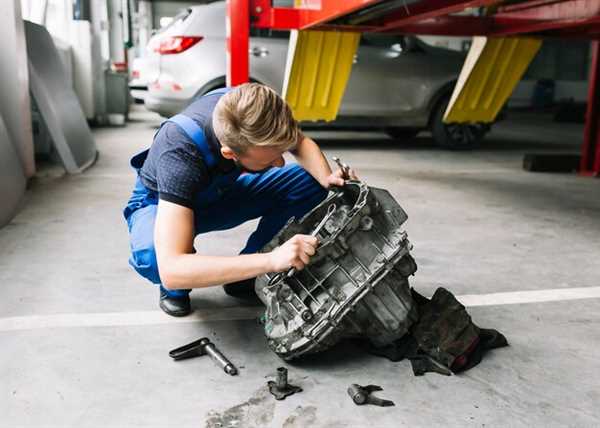
To elevate the utility of mechanical components from decommissioned units, a thorough assessment of their ongoing value is key. Start by analyzing the physical condition and integrity of each part, ensuring that wear and tear are minimal. A detailed inspection can reveal hidden potential that remains within these components, making them applicable for future projects.
Next, consider the historical performance data of the parts in question. Components that have demonstrated reliability and efficiency consistently offer a greater return on investment when reused. Furthermore, assess compatibility with current systems; parts that can seamlessly integrate will save both time and financial resources.
Lastly, evaluate cost-effectiveness alongside potential refurbishment expenses. Often, investing in minor repairs can yield significant savings compared to purchasing new units. By focusing on these key aspects, organizations can enhance operational efficiencies while maximizing sustainability efforts.
Assessing Mechanical Integrity of Salvage Engines

Perform a detailed inspection of the cylinder head for cracks and warping, as any flaws can significantly compromise performance and longevity. Utilize a straight edge tool to verify flatness.
Evaluate the condition of piston rings and cylinders. Measure ring gap and cylinder bores for wear using precise calipers. Ensure that tolerances remain within manufacturer specifications to maintain compression and efficiency.
Examine the oil pump and lubrication system. Check for signs of sludge or metal shavings that indicate wear or catastrophic failure. A functional oil pump is paramount for maintaining engine health.
Inspect connecting rods and bearings for signs of excessive wear or scoring. Replace any components that do not meet acceptable standards to prevent catastrophic failures during operation.
Assess the integrity of the crankshaft for cracks or deformation. A magnetic particle inspection can reliably identify subsurface defects that visual checks may miss, ensuring reliability.
Conduct a compression test to evaluate cylinder pressure. Low readings may indicate internal leaks, requiring immediate attention. Ensure all spark plugs are in good condition and properly gapped.
Finally, review the valve train for wear and proper operation. Inspect valve seats and guides for damage. A well-functioning valve system is critical to maintaining optimal engine performance.
Evaluating Market Value and Demand for Reusable Components

Assess the resale potential of components from dismantled machinery by examining current market trends and customer needs. Analyze previous sales data to identify high-demand parts that can yield significant returns.
To evaluate the value accurately, consider the following:
- Market Research: Conduct surveys and engage with industry specialists to understand the preferences for various reusable parts.
- Condition Assessment: Inspect each component meticulously to determine its viability and remaining lifespan. Document findings for transparency.
- Pricing Strategy: Set competitive prices based on condition, age, and replacement costs. Compare online marketplaces for insights on pricing benchmarks.
Engagement with potential buyers enhances insight into current trends. Attend trade shows or networking events to establish connections and gauge demand directly.
Monitor online platforms to track sales of specific components regularly. Using analytics tools can help predict future demands based on historical data.
Lastly, build relationships with repair shops and manufacturers who may require quality components. Their feedback can drive targeted sourcing and inventory management strategies.
Understanding Regulatory Compliance for Salvage Engine Parts
Conduct thorough research to ensure compliance with local regulations regarding used components. Each jurisdiction has specific laws governing the sale and reuse of automotive parts, impacting their overall value.
Verify that any reused parts meet safety and environmental standards. This includes certifications that demonstrate adherence to regulations such as ISO or local equivalent standards, which confirm their reliability.
Maintain comprehensive documentation for each part, including its history, inspection records, and any modifications made during the salvage process. This transparency can increase buyer confidence and enhance the part’s market worth.
Consider tracking the lifecycle of salvaged components. Implementing a systematic method for recording usage history can provide valuable insights into performance and compliance during resale.
Stay informed about recalls or bans affecting specific parts or manufacturers. Keeping up with industry news enables proactive management of inventory, ensuring that no non-compliant items are offered to customers.
Engage with industry associations that offer resources related to regulatory standards. These organizations provide updates on changes and emerging compliance issues, facilitating better decision-making.
Ensuring that salvaged parts are tested before reuse protects both consumers and businesses. Establishing a robust testing protocol validates the quality and safety of each item, thereby enhancing its resale value.